


A 150-square-foot bedroom and a 600-square-foot open-plan living room need very different machines, yet the boxes on the shelf look almost identical. Coverage claims get printed in the largest type and are the least useful number on the package. The figure that actually predicts whether a purifier will clean your air is CADR — and using it takes about thirty seconds of arithmetic.
What CADR Actually Measures
CADR stands for Clean Air Delivery Rate. It's measured in cubic feet per minute and represents the volume of filtered air the machine delivers — not how much air it moves, but how much it moves after the filter has done its job. Two purifiers with identical fans can post very different CADRs if one has a leaky seal or a thin filter.
Every unit is rated on three pollutants: smoke, dust, and pollen. Smoke involves the smallest particles and usually produces the lowest number. Pollen particles are large and easy to trap, so that figure runs highest. If you check only one, check smoke — it's the best proxy for fine particles generally, and it's the one that matters during wildfire season.
Two things CADR doesn't cover. It's measured at the highest fan speed, which is also the loudest setting. And it says nothing about what replacement filters cost or how often you'll need them. Both matter more than most shoppers expect.
The Room-Size Math, Without the Guesswork
The working rule is simple: a purifier's smoke CADR should be at least two-thirds of the room's floor area in square feet, assuming an eight-foot ceiling. A 300-square-foot room wants a CADR of 200 or better.
That ratio isn't arbitrary. It produces roughly five air changes per hour, a sensible target for everyday dust, pet dander, and cooking odors.
Target CADR ≈ 0.67 × floor area in square feet, then adjust for ceiling height.
Adjust for ceiling height
Filters clean volume, not floor area. If your ceilings are ten feet instead of eight, multiply your target by 1.25. That 300-square-foot room with ten-foot ceilings wants about 250 CADR, not 200. Vaulted living rooms push it higher still.
Work backward from air changes per hour
If you'd rather think in air changes, the formula is CADR × 60 ÷ room volume in cubic feet. A 200-CADR unit in a 2,400-cubic-foot room (300 square feet × 8 feet) delivers five air changes per hour. For allergies, asthma triggers, or smoke, aim for six or more in the room where you spend the most time. That's why sizing up by a step is usually money well spent.
Why "covers up to 900 square feet" is unreliable
Coverage claims often assume far fewer air changes per hour than you'd actually want — sometimes just one or two. A unit that technically "covers" a large space at one air change per hour is doing very little in a room you're sitting in. Find the CADR instead and ignore the headline number.
Matching CADR to Your Situation
Use these as starting points, then round up:
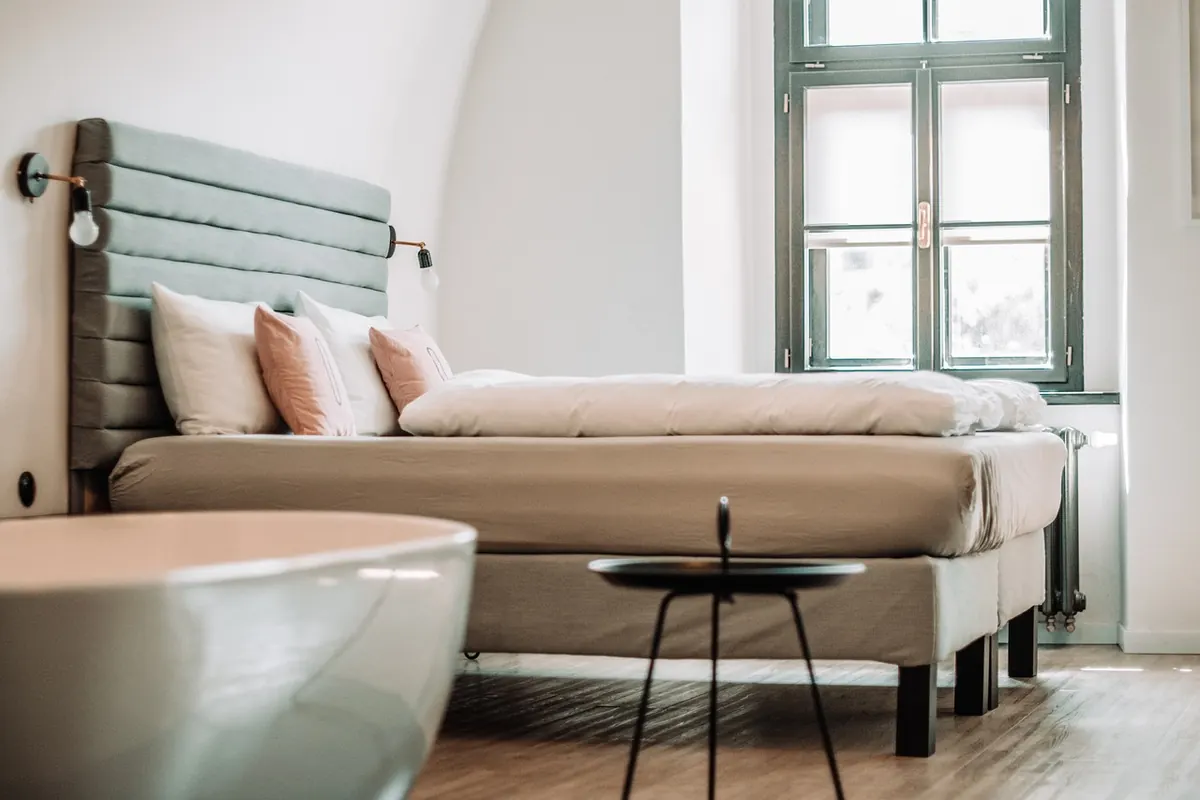
- Bedroom, about 150 square feet: 100–150 CADR. Check noise at low speed, since this one runs while you sleep.
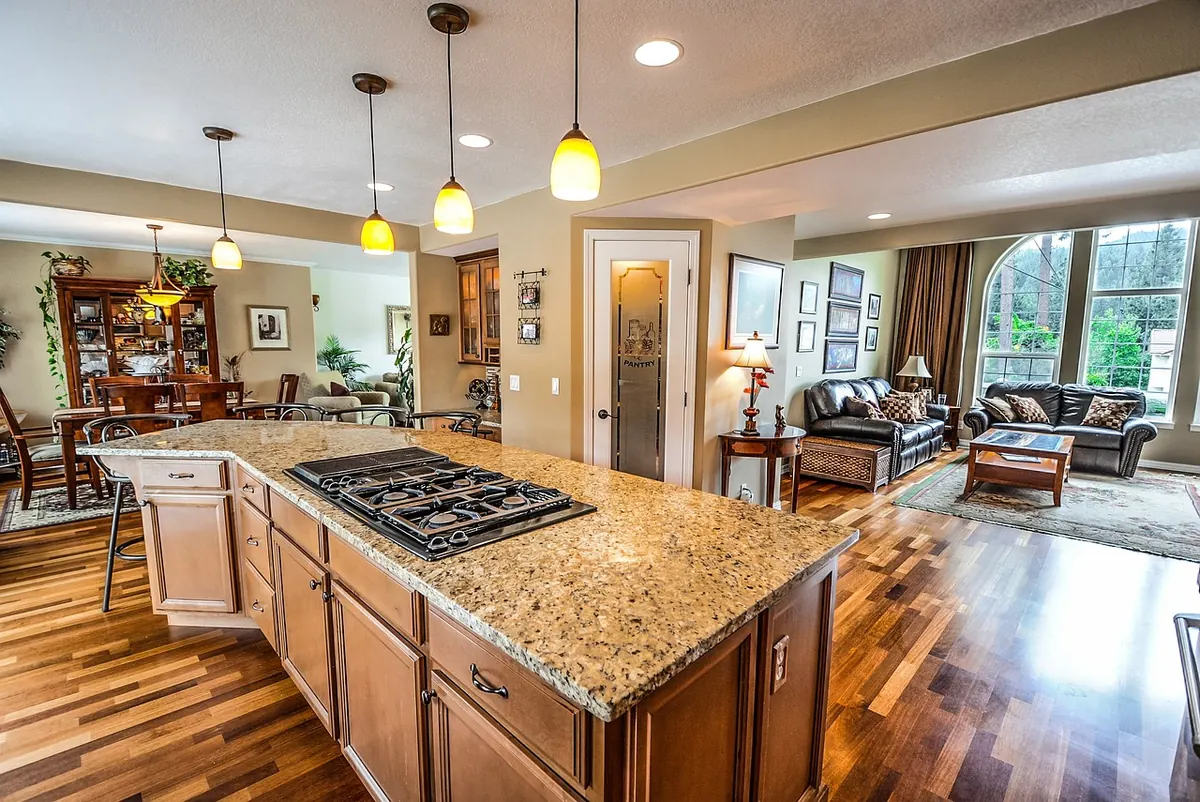
- Living room, about 300 square feet: 200 CADR minimum. Add capacity if you cook nearby, burn candles, or live with pets.
- Open-plan space, 500 square feet or more: 350 CADR and up, or two mid-size units at opposite ends of the room. Two units often beat one large one, because air has to physically reach an intake before it can be cleaned.
- Wildfire smoke or allergy season: size up by roughly half and prioritize smoke CADR over the other two ratings.
- Workshop or basement: dust CADR matters most, and a washable pre-filter will save real money on replacements.
One purifier will not clean a whole house through closed doors. Air moves between rooms slowly; buy for the room the machine sits in.
Filter Types: What's Actually Inside
Most decent purifiers stack three stages, and each does a different job:
- Pre-filter: catches hair, lint, and pet fur. Cheap, washable on many models, and it keeps the expensive layer from clogging.
- True HEPA: captures 99.97 percent of particles at 0.3 microns. Look for "true HEPA" or a rating like H13 or H14. Labels such as "HEPA-type" or "HEPA-like" are marketing language, not a standard.
- Activated carbon: handles odors, gases, and smoke smell. Weight matters here — a thin dusting of carbon does almost nothing. If odor control is your goal, look for a substantial carbon layer.
Extras like UV lamps, ionizers, and photocatalytic filters aren't required for particle removal. Some designs can produce small amounts of ozone, which is why they're regulated in certain places. If you're sensitive, a mechanical HEPA unit is the safer pick, and if a model includes an ionizer, choose one you can switch off.