



Mornings are not a moral test. Some people wake at 5:45 feeling alert and pleased about it. The rest of us lie there doing arithmetic on how many minutes we can stay under the covers and still look employable. If you fall into the second group, the goal isn't to become a morning person. It's to build a routine that runs mostly without you.
Ten minutes is enough — not for journaling, meditating, stretching, reading three chapters and blending a smoothie, but for getting from horizontal to functional with the least possible resistance. The trick is to hand the parts you're too foggy to handle over to products: the waking, the lighting, the coffee. Here's a checklist that works, plus what to look for in the gear that makes it hold.
Let the Room Wake You, Not Your Willpower
Hitting snooze isn't a character flaw; it's a reflex. You can't out-discipline a reflex at 6:15 a.m., but you can design around it.
A sunrise alarm clock is the single most useful purchase for anyone who hates mornings. Instead of a siren, it brightens gradually over twenty to thirty minutes, so your body gets a warning before the sound arrives. Look for one with a gentle wake-up tone that starts quiet and increases, a backup beeper for heavy sleepers, and a dimmable display — a clock face bright enough to read across the room will keep you awake at night instead.
Second, put the alarm out of arm's reach. Not across the house, just far enough that silencing it requires standing up. A basic digital clock on the dresser does this better than your phone, which brings a screen full of notifications into the first thirty seconds of your day. Many people find that the phone is the real reason mornings feel terrible.
Third, set a second alarm for ten minutes later on a separate device, and treat it as the "you must now be vertical" alarm rather than a negotiation.
Light First, Decisions Later
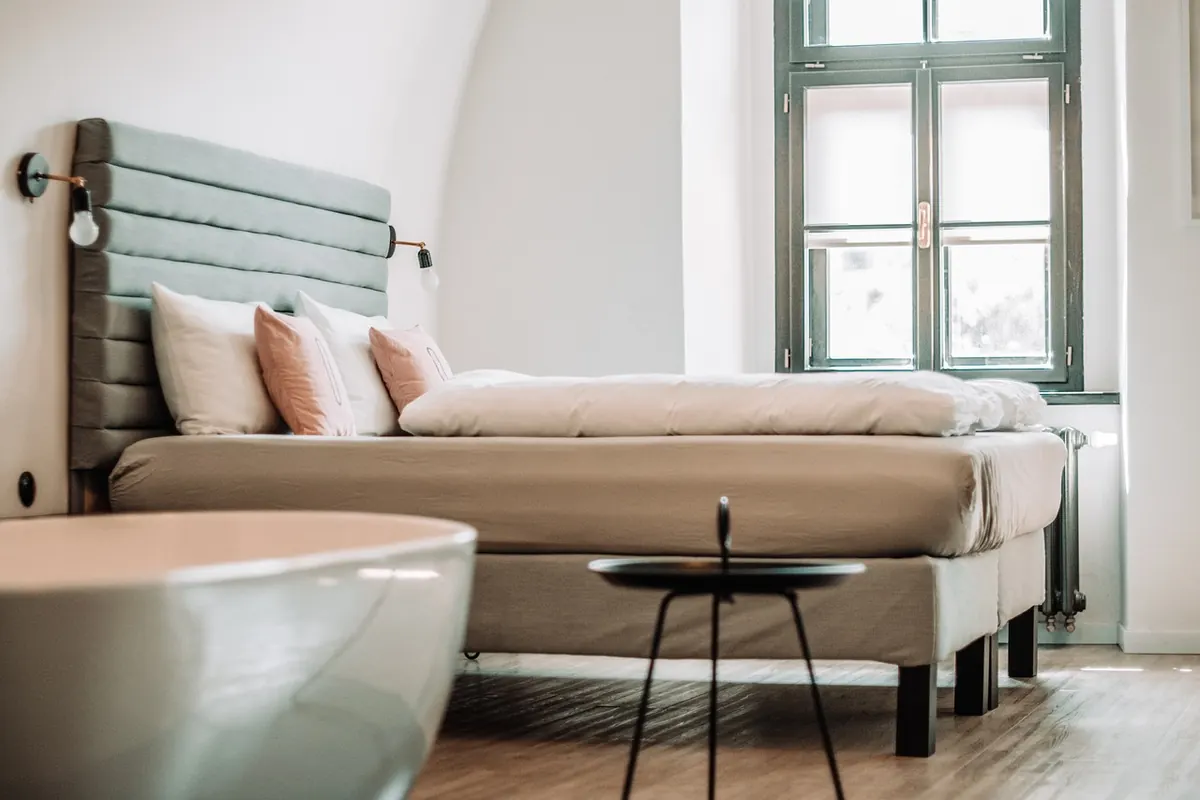
Your brain takes its cue from brightness. Give it a bright room in the first minute and the rest of the routine gets easier; leave it dim and you'll spend twenty minutes half-awake on the edge of the bed.
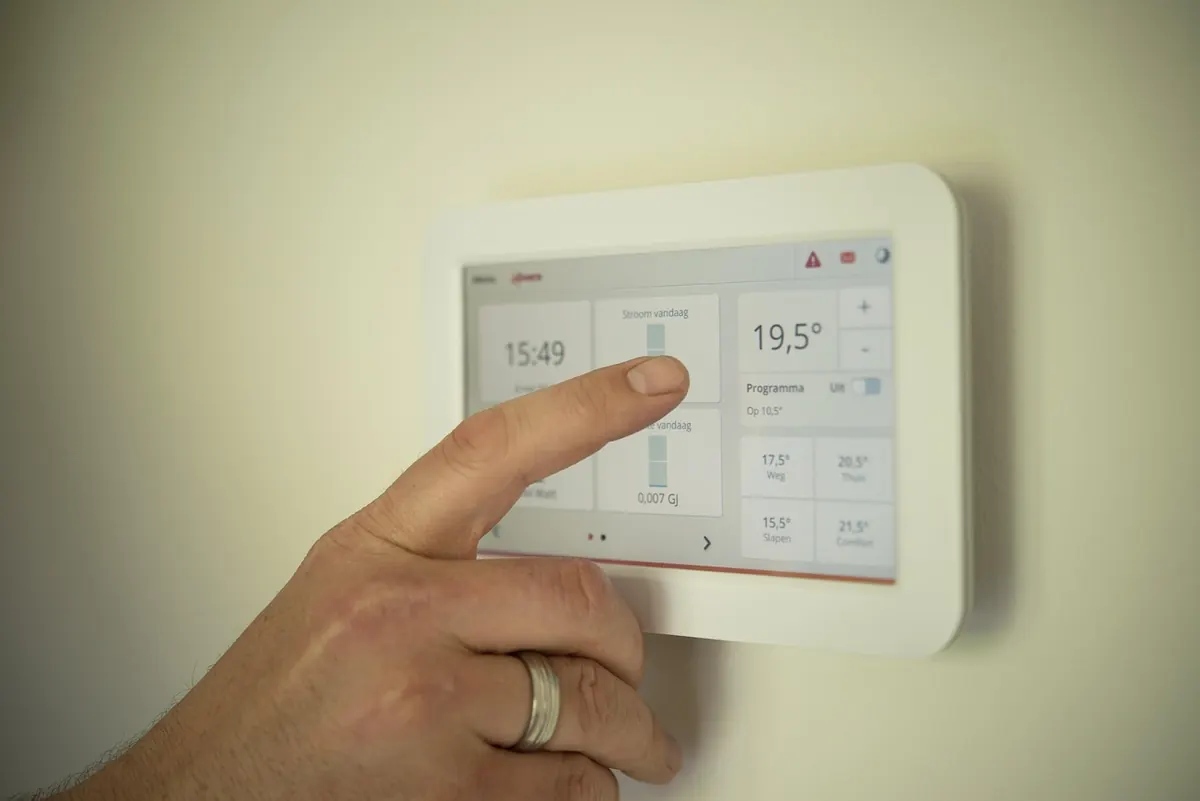
The laziest possible fix: put your bedside lamp on a smart plug or a mechanical plug timer set for five minutes before your alarm. The lamp is on before you are. If you want to go further, smart bulbs that shift from warm to cool over the first hour give you a subtle ramp without you touching a switch.
Cheap versions that work fine
- A hardware-store plug timer, set once, no app required.
- A lamp with a physical switch left in the "on" position.
- Curtains opened the night before, if your window faces morning sun.
- Bathroom lights on a motion sensor so the room lights itself.
Keep overhead lights off for the first few minutes if they feel aggressive. A lamp at eye level does the job without the jolt.
Coffee Without Thinking
The smell of coffee is a better alarm than most alarms. The problem is making it while barely conscious.
A programmable drip coffee maker solves this entirely: load the grounds, fill the reservoir, set the timer the night before. Choose one with a thermal carafe rather than a hotplate, since coffee that's been sitting on a burner for an hour tastes like regret. If you only drink one cup, a single-serve machine with a reusable filter pod is faster to set up and clean than it sounds. And if you prefer pour-over or a French press, the night-before version is this: kettle filled and ready, beans ground, filter in place, mug on the counter.
One rule: do the setup before you get comfortable for the evening. Coffee prep at 10:30 p.m. takes ninety seconds. Coffee prep at 6:20 a.m. takes all the willpower you have.
The 10-Minute Checklist
- Minute 0–1: Alarm rings. Stand up, turn on the lamp, turn off the alarm. No phone yet.
- Minute 1–2: Drink the glass of water you left on the nightstand.
- Minute 2–4: Bathroom: lights, teeth, face. Still no phone.
- Minute 4–6: Quick shower or wash-up. Clothes were chosen last night and are already out.
- Minute 6–8: Pour the coffee that brewed itself. Add breakfast if you eat breakfast.
- Minute 8–10: Sit somewhere with light, drink, and write down the three things that actually matter today.
That's it. Notice how little of it requires a decision. Decisions are the expensive part of a morning, so the checklist spends almost none.
What to Buy, and What to Skip
You don't need much, and you certainly don't need everything marketed as a morning product.
- Worth it: a sunrise alarm clock, a plug timer or smart plug, a programmable coffee maker with a thermal carafe, a bedside carafe and glass, a hook by the door for tomorrow's clothes.
- Fine but optional: smart bulbs, a heated mug, a white-noise machine for sleeping through street noise.
- Skip: anything that needs daily app configuration, gadgets with parts you won't clean, and any device that adds a step instead of removing one.
Buy one thing at a time and give it a week. If it doesn't shrink your morning, it isn't the right fix for you.
When It Still Falls Apart
Most failed morning routines aren't morning problems. They're night problems. If you're going to bed at 1 a.m., no checklist survives contact with a 6:30 alarm, and no coffee maker is powerful enough to fix that.
So look at three things before you buy anything else: your actual bedtime (work backward seven to eight hours from your alarm and see how it looks), the temperature of your bedroom at night, and whether your evening includes a screen until the moment you close your eyes. Fixing one of those will do more for your mornings than a third alarm.
If you're sleeping reasonable hours and still exhausted every day, that's a conversation for a doctor rather than a checklist.
Start With One Piece
Pick the single step that costs you the most — usually waking up, or the twenty minutes of drifting before you get out of bed — and solve only that one for a week. Set up the coffee maker tonight. Move the alarm across the room. Put the lamp on a timer. Once one piece is automatic, add the next.
The goal isn't a perfect morning. It's a morning where you don't have to be a hero before you've had coffee.
Photo: alleksana / Pexels